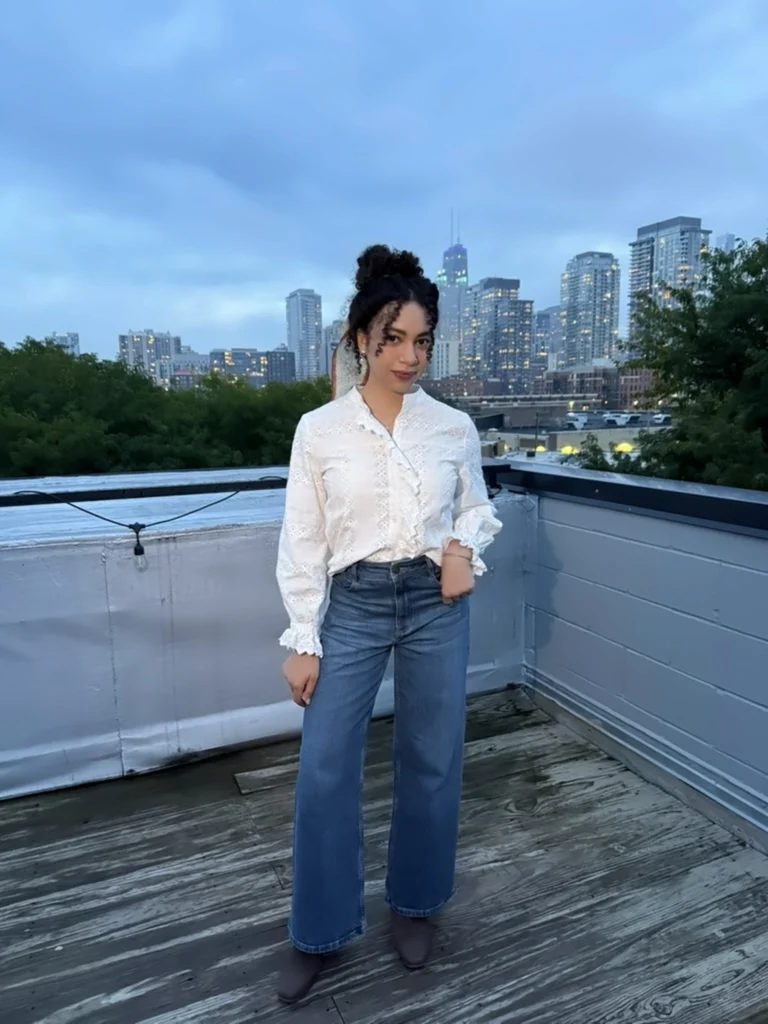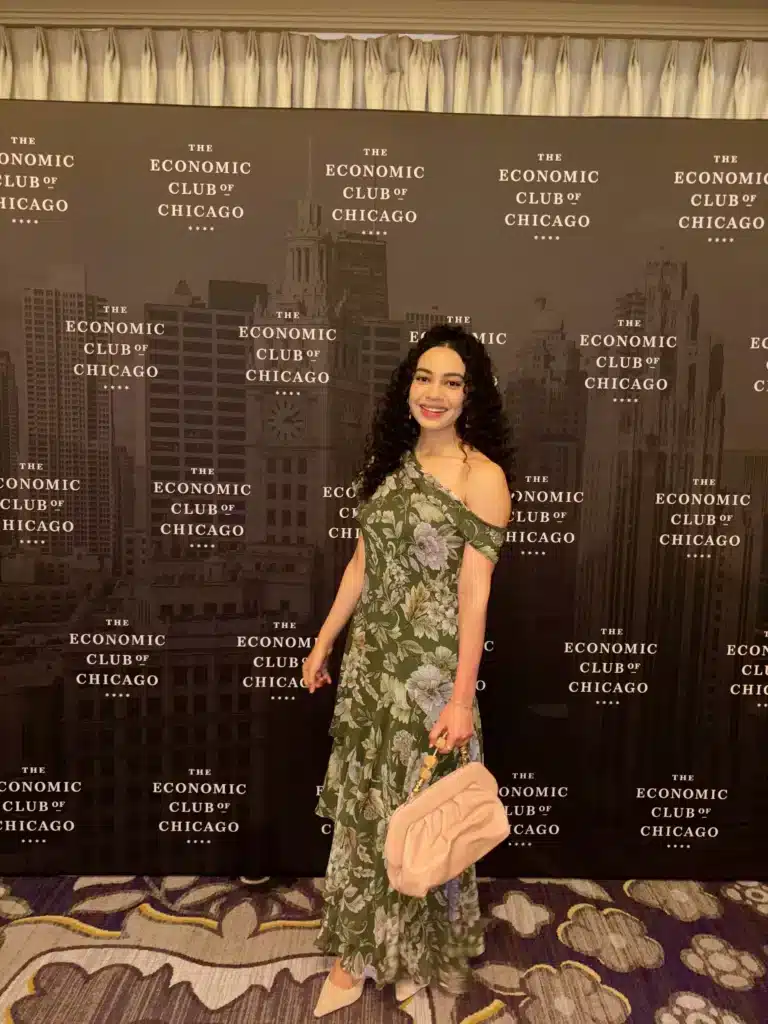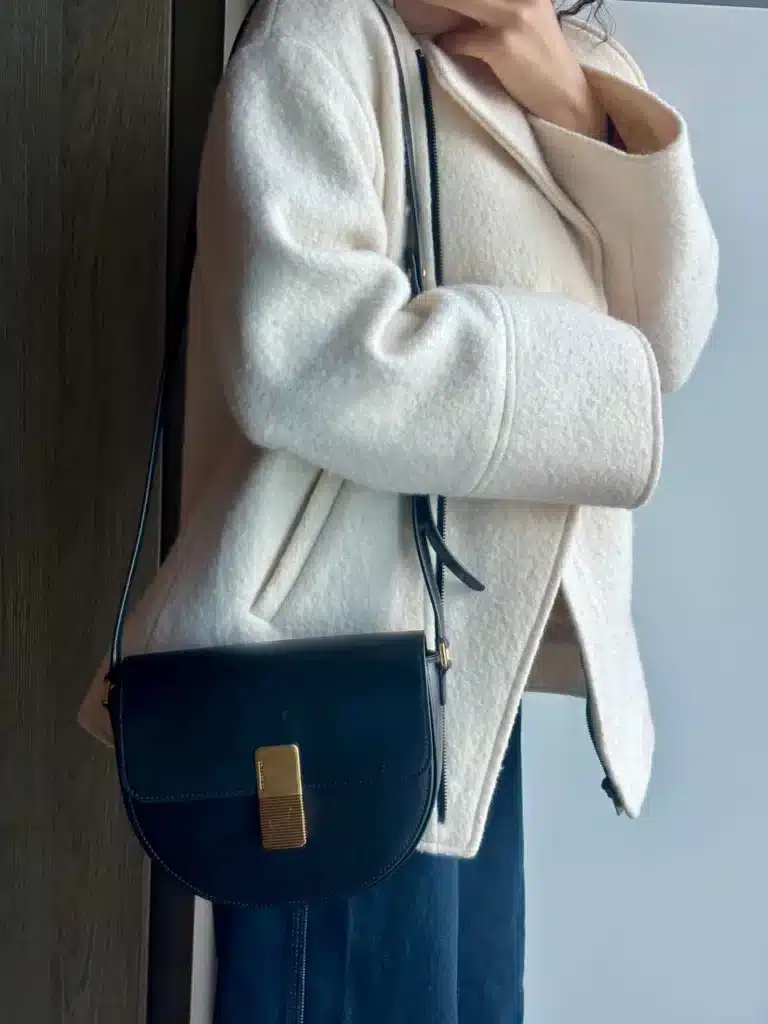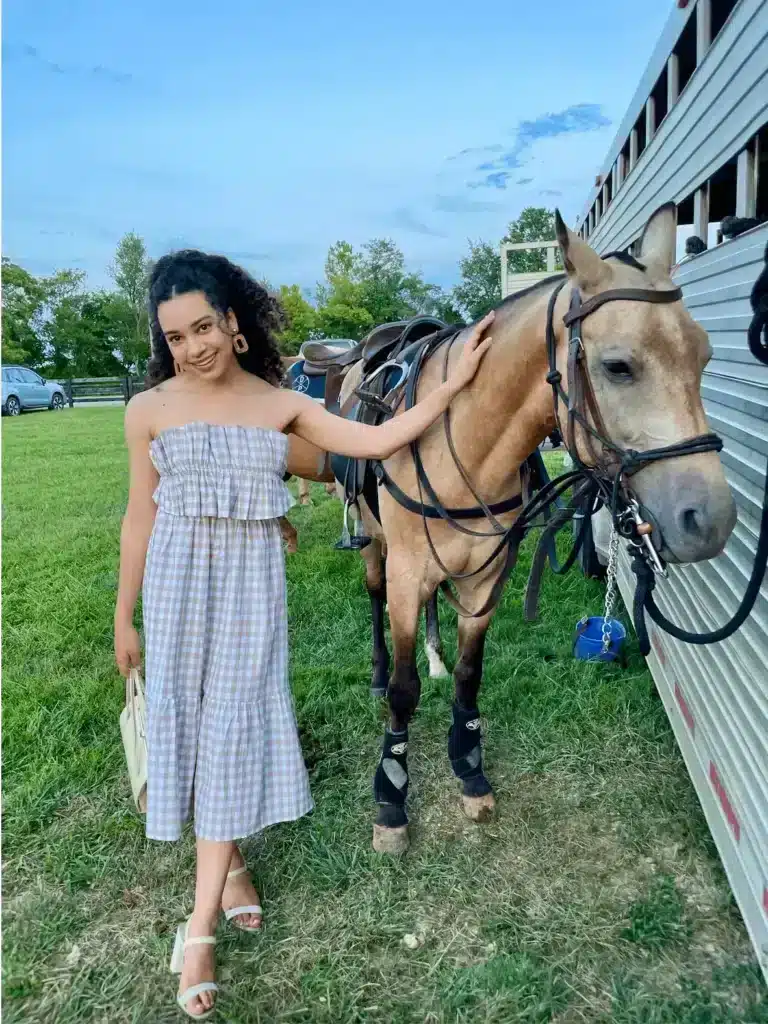


















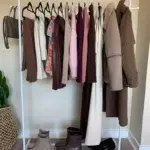









I used to shop the way a lot of us do. A new event meant a run to the mall, or ten open tabs and a brand-new outfit for the occasion. These days I’m building a quality wardrobe instead, one well-made piece at a time, and learning to shop with a more discerning eye.
Part of that has meant figuring out what “good quality” actually looks like now that price doesn’t tell you much. So I gathered the advice of five people who judge clothes for a living and tested it on my own closet. The short version is right below, and the details (and photos) follow.
What You Need to Know About Clothing Quality
- Price is a weak signal. My Gap cardigans, bought for under $50 each, have outlasted a $160 cashmere cardigan.
- Read the fiber content first. Then read the care label, which I learned the hard way.
- Turn it inside out. The seams, lining and buttons tell you more than the outside does.
- Super-soft cashmere in the store can be a red flag. That fuzz often comes from short fibers, and short fibers pill.
- A little synthetic can be a good thing. Some stretch in the right garment helps it drape and hold its shape.
- The checks catch sloppy construction. They won’t tell you whether a sweater will pill, so that part takes time (or a brand you’ve already tested).
Short on time? Skip ahead to the 60-second checklist.
How I Tested These Clothing Quality Checks
I’ve had plenty of practice handling clothes. I’ve rented well over 100 pieces between Nuuly (a customer since 2022) and BNTO (since 2025), on top of a decade with Rent the Runway.
I’ve worn Farm Rio, For Love & Lemons, Madewell and Amanda Uprichard, plus lesser-known designers like Klint Studio, Yui Row and Solene.
I feel the fabric on my skin, and I see how a piece holds up at an event, through a workday or in a carry-on. I live in them! And I adore the revolving door of pieces that rentals bring into my life.
Building my core wardrobe, though, the pieces I love and won’t be parting with anytime soon, takes a more discerning eye. So I’ve been learning what makes a piece of clothing truly earn the title “quality.”
That’s meant following what the people who actually know construction are saying: a dress historian, a fashion designer, a production patternmaker, an analyst who compares clothes across price points and a well-known tailoring writer.
Then I held their advice up against my own closet. I’m not brand loyal, so that closet mixes high and low, from Gap to Reformation to a linen dress handmade on Etsy.
Every garment here is one I own and have worn, from a $20 Quince tee to a $278 silk dress, a few of them for three years or more. I’ve noted what I paid, how long I’ve had it and how it’s held up. I’m still in the middle of this, so I’ll keep updating the page as my clothes age.
The Signs of Good Quality Clothing All Five Experts Agree On
These are the points where all five line up, along with what happened when I checked them against my own clothes.
Expensive Clothes Aren’t Always Better Quality
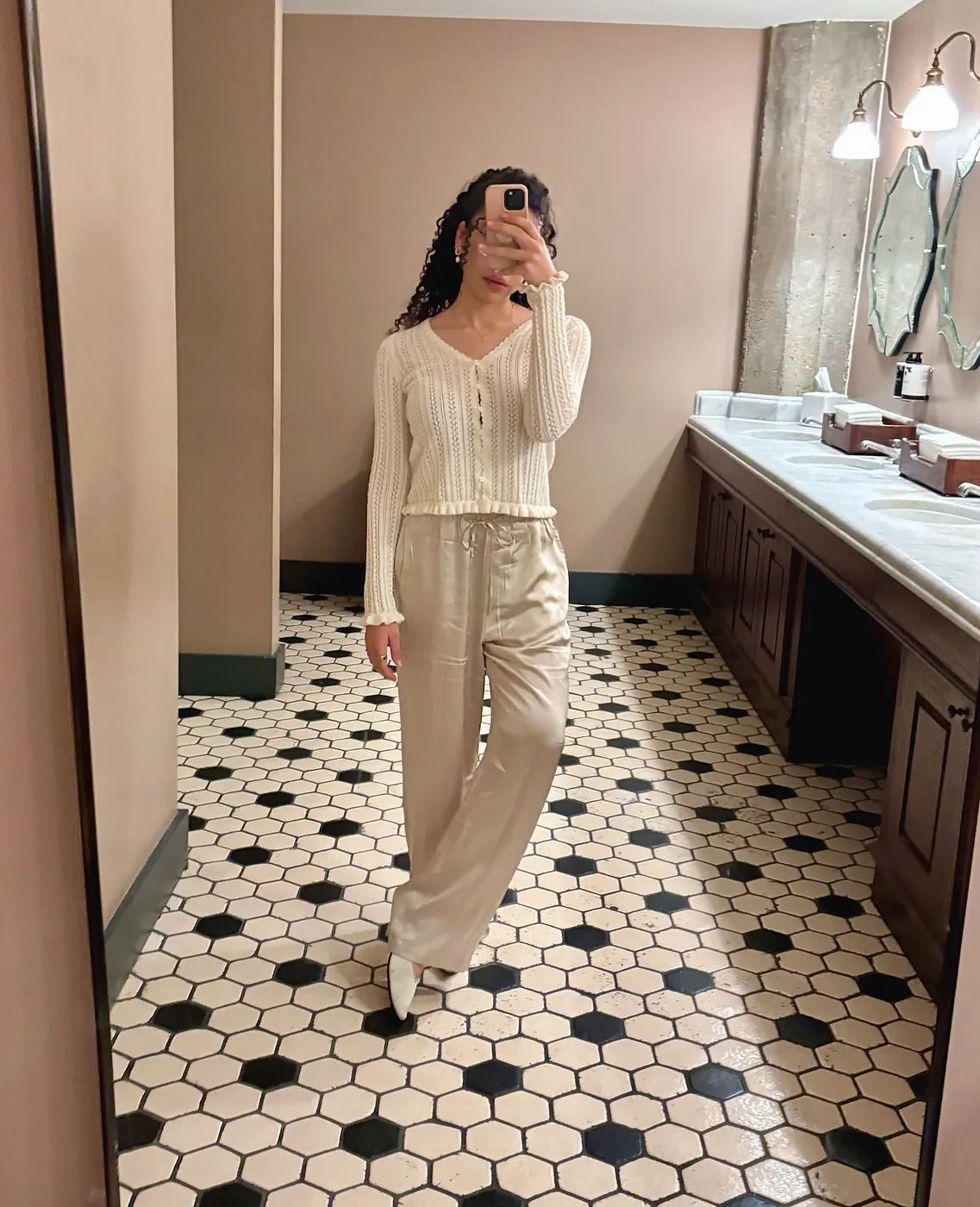
This is the one thing everyone agrees on. Banner says price doesn’t equal quality, and that brand recognition certainly doesn’t either. Guy writes that the link between price and quality is looser than it used to be.
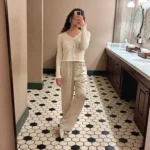
My closet backs them up. A couple of years ago I bought two pointelle cardigans from Gap, 100% cotton with dainty scalloped edges, during one of Gap’s many sales. They were under $50 each, marked down from $65, and they’re still the light layer I reach for most. I liked the first one so much I went back for it in maroon.
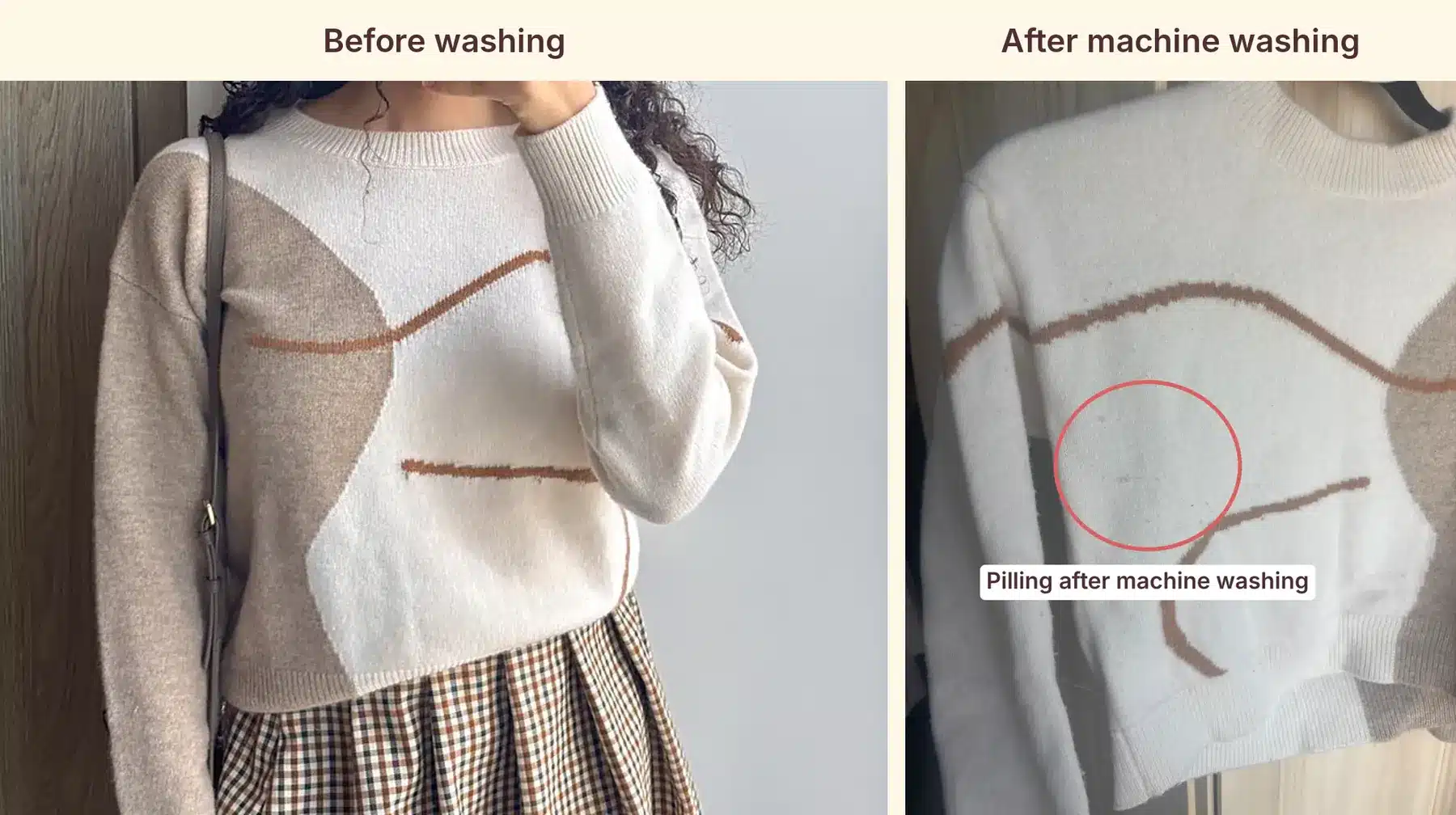
My $160 Quince cashmere cardigan, on the other hand, started pilling after a handful of washes. Those Gap cardigans did a lot to break my old assumption that expensive always means better.
Why Super-Soft Cashmere Can Be a Red Flag
Brunn and Guy arrived at this one separately, and it goes against how most of us shop for cashmere. According to Brunn, high-quality cashmere is made from long fibers, which give it a smoother, sleeker look.
The cloud-soft fuzz we tend to fall for on the rack usually comes from shorter fibers, and those are the ones that pill. Guy adds that good cashmere gets softer with wear, a bit like raw denim.
My Quince Mongolian cashmere cardigan is a good example. It passed every construction check I know of (fully fashioned, clean seams, buttons sewn on securely) and still started pilling after a few washes. My Lexi sweater from Petite Studio (gifted), which is 100% mercerized merino, did the same.
In fairness, both labels say hand wash only, and I put both through the delicate cycle. I suppose my efforts to read the tag for composition didn’t extend to the washing instructions. Ugh. Lesson learned! My clothing care skills are still a work in progress.
Fiber length isn’t something you can see on a hanger, so no store check would have flagged either sweater. These days I look for denser knits and actually hand wash them. My three-year Quince review covers how the rest of the brand has held up.
Check the Lining Fabric, Not Just the Outside
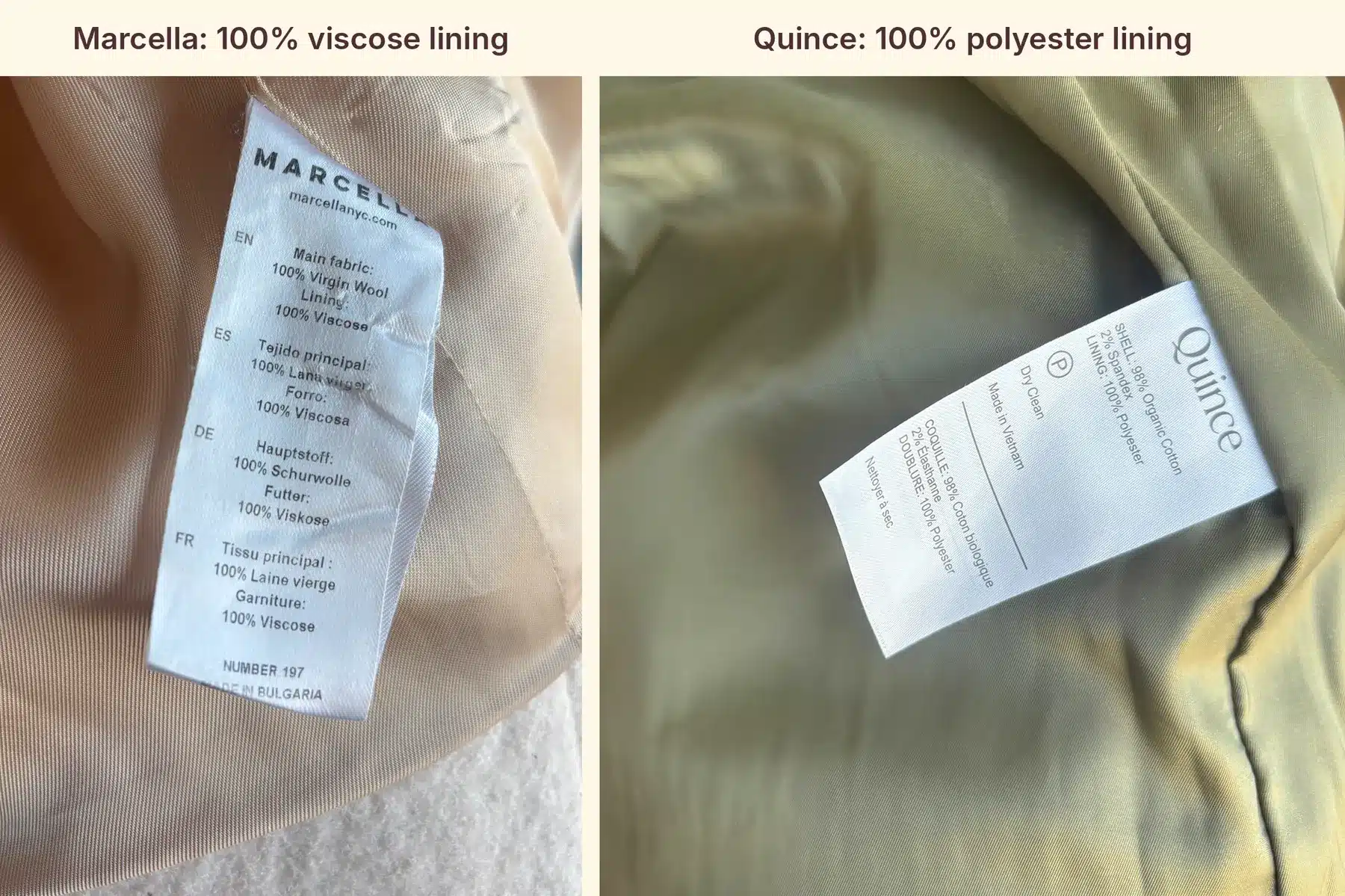
Leconte prefers a viscose lining to 100% polyester against the skin, and Banner sees a lining as a sign that someone paid attention. My two coats make a handy side-by-side.
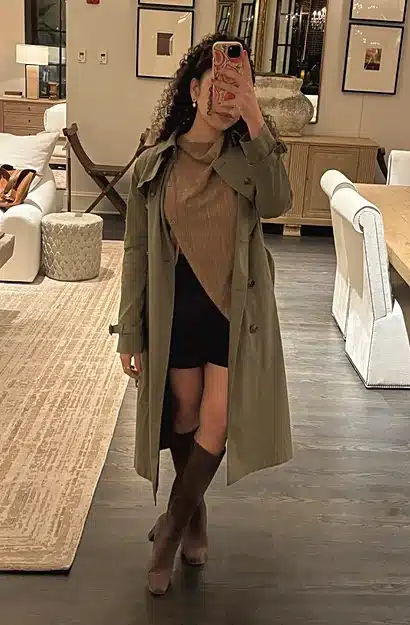
My Marcella coat is 100% virgin wool with a 100% viscose lining, made in Bulgaria. My Quince trench is 98% organic cotton and 2% spandex, with a 100% polyester lining. I wear the trench constantly in that in-between stretch of fall, though I do wish the organic cotton carried through to the inside.
The trench’s care label also says dry clean. Leconte sees dry-clean-only on a cotton piece as a hint that the thread or pre-washing wasn’t great, but she makes an exception for tailoring and outerwear, so I’m giving my coat a pass.
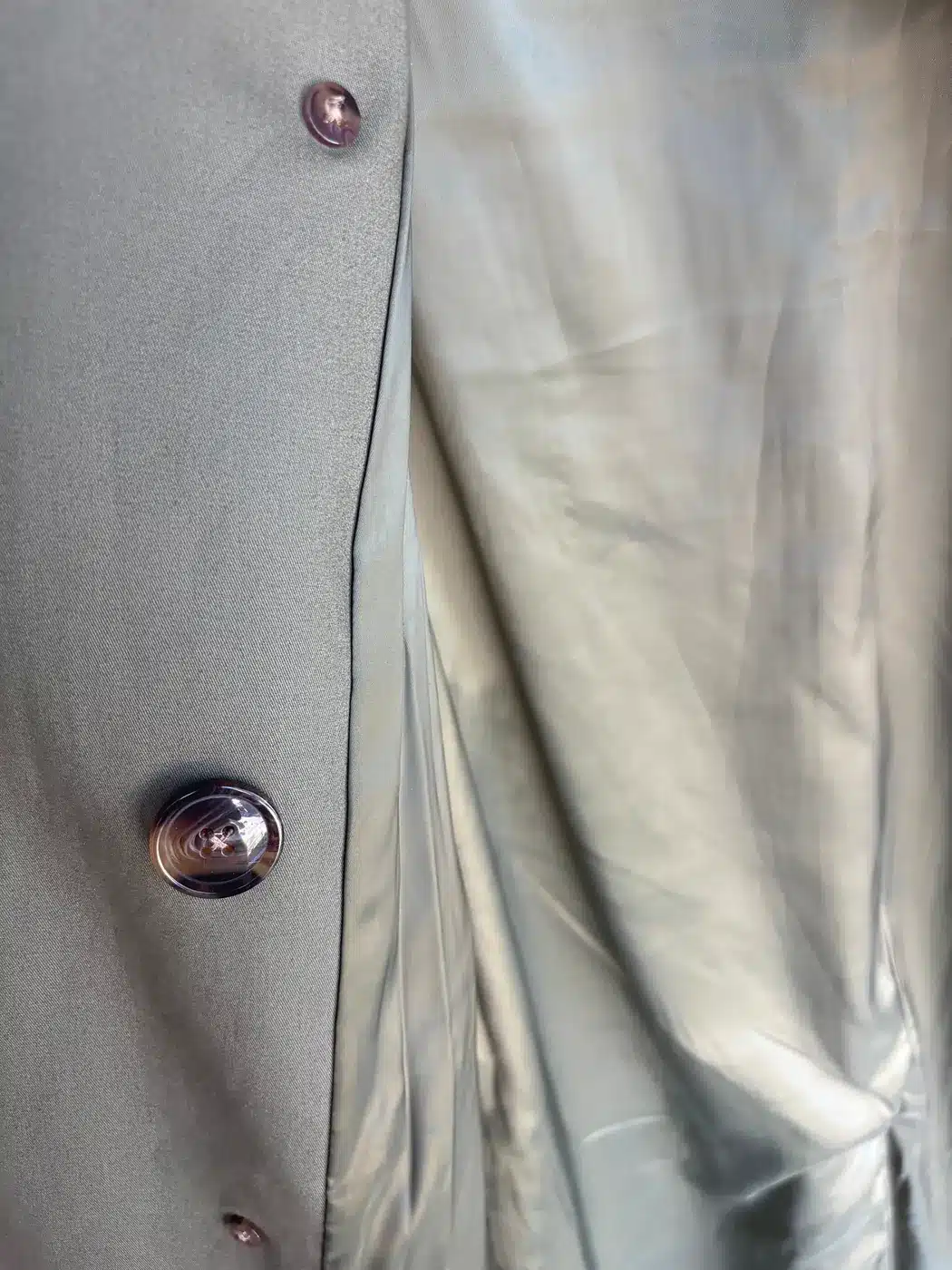
The buttons, at least, pass Leconte’s check, with four holes and a cross stitch.
Well-Made Clothes Have Clean Seams Inside
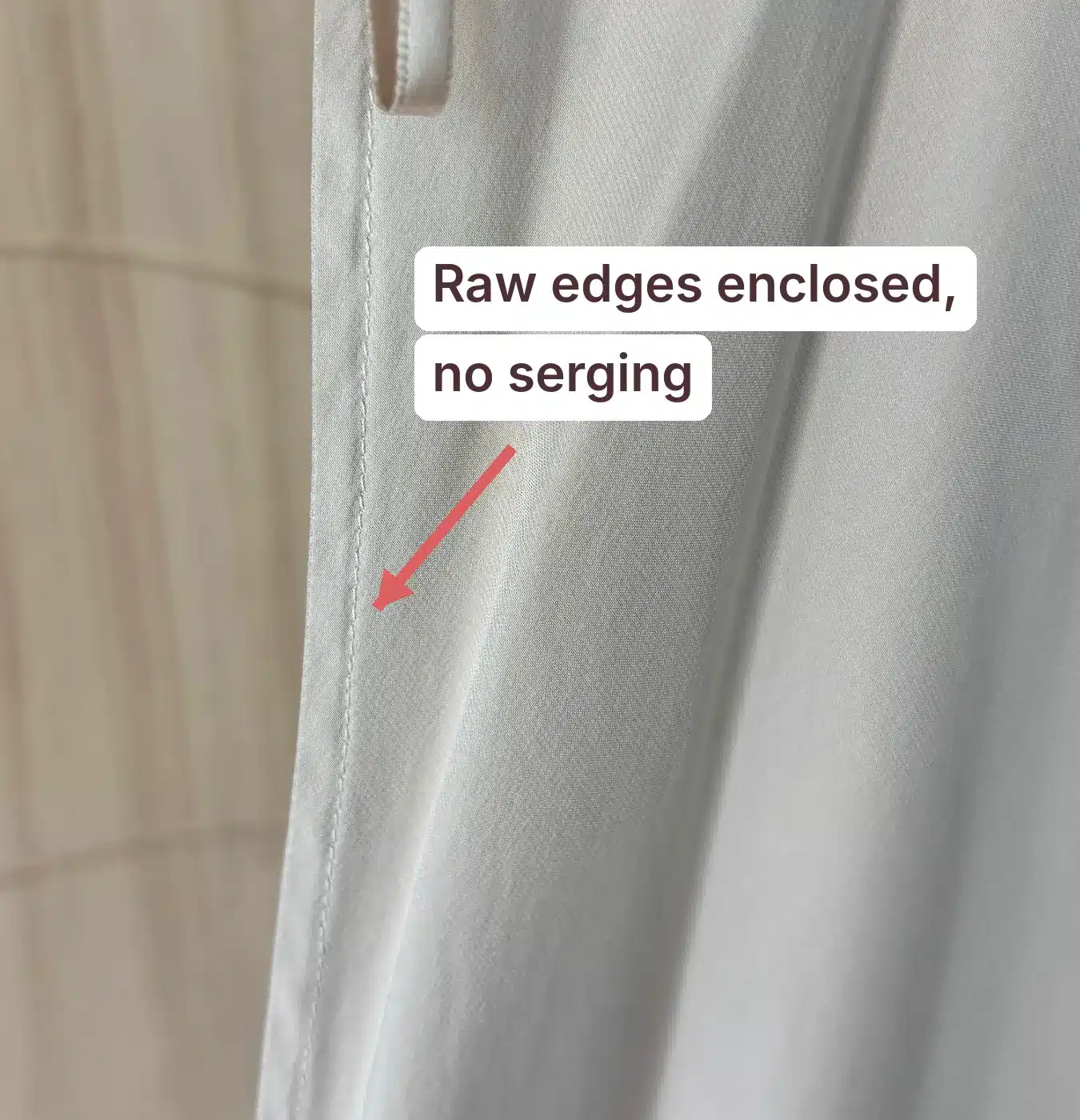
Banner’s main test is whether you can see that time and effort went into making the garment. When a shortcut saves the factory time but costs you durability, that’s the red flag.
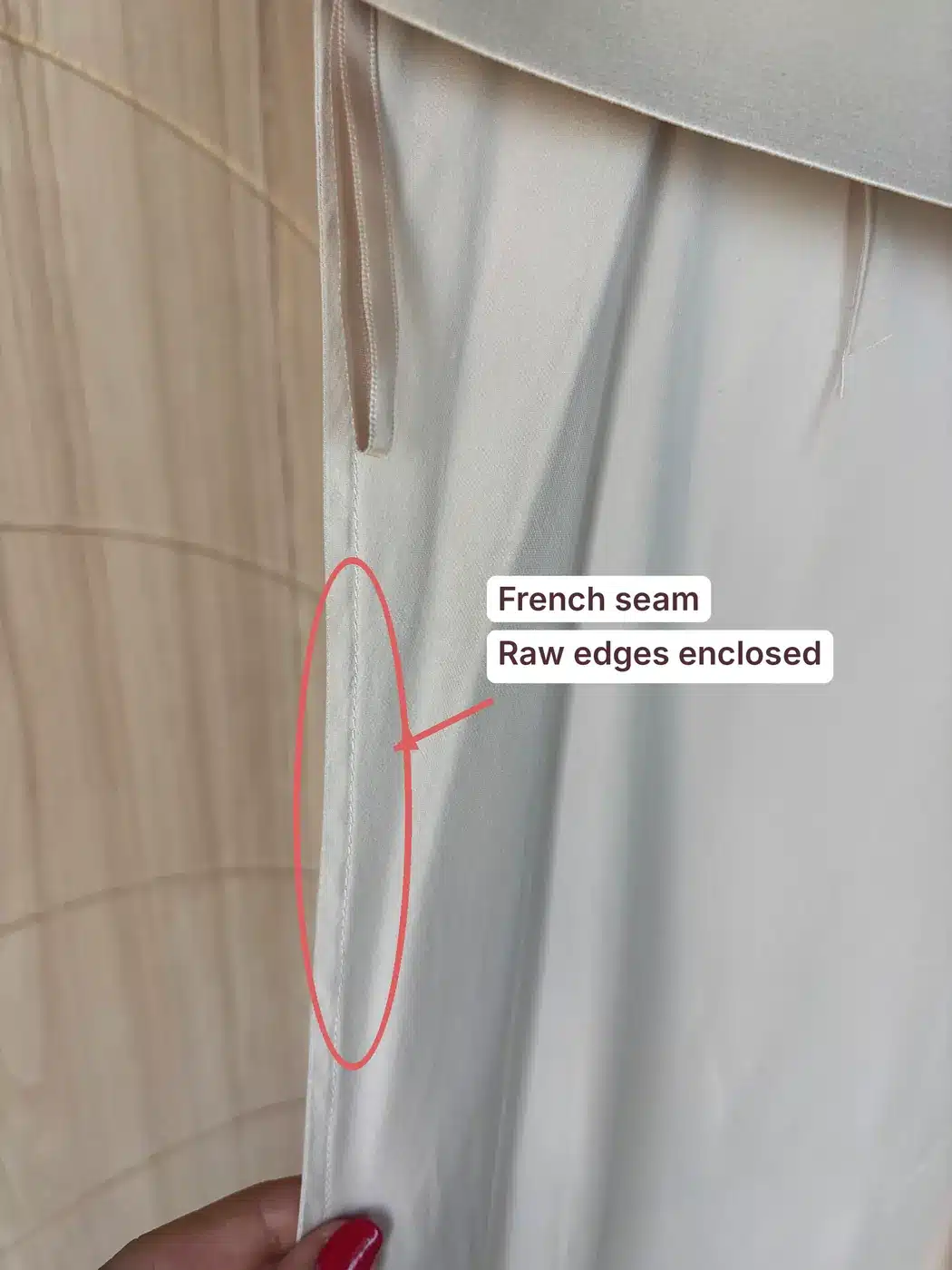
My Quince silk skirt (gifted) passes this one. The seams are French seams, where the raw edges are folded and stitched inside the seam so they can’t fray. They take longer to sew, and they’re why the inside of the skirt looks almost as clean as the outside.
Natural Fibers Are Ideal, but Some Synthetics Earn Their Place

None of the five believes in a single quality ladder with natural fibers at the top. Leconte argues that a well-engineered blend can outperform pure cotton, and Fasanella describes quality as “adherence to a standard” set by whoever made the garment.
This is where I’ve loosened up over the eighteen months I’ve spent switching to natural fibers. I do prefer them, and I want them to make up most of my wardrobe. But synthetics have their place, whether it’s for stretch, for durability or (let’s be frank) for the sake of a striking style.
Take one of my favorite tops, the Reformation Cello. It’s 88% Tencel lyocell and 12% spandex, I picked it up on a Black Friday sale (it retails for $98 now), and three years later it still wears beautifully. I need that stretch for it to drape across my shoulder in its twisted, Greek-goddess way, and I wouldn’t get that look without it.
A quick note, since the label confuses a lot of people (me included, at first). Tencel is a brand name for lyocell, which is made from wood pulp, so it belongs with the plant-based fibers. The synthetic in the Cello is the spandex, and in this case it’s pulling its weight.
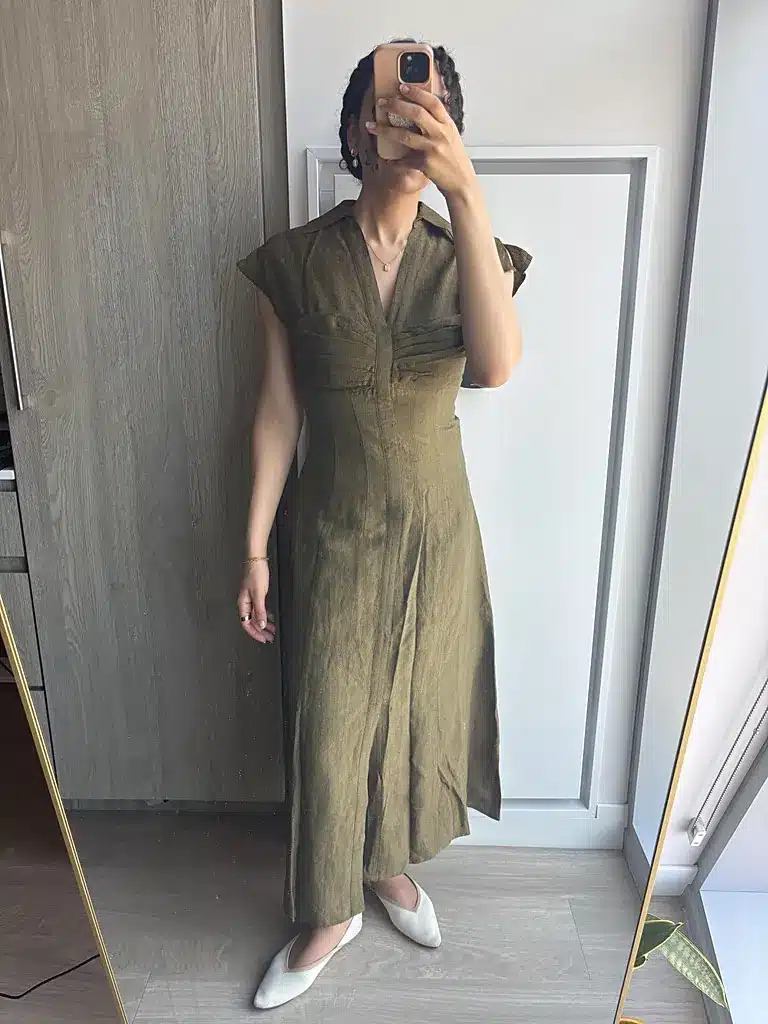
My Cult Gaia dress takes blending even further, with 38% linen, 25% wool, 20% rayon and 17% silk, all lined in cotton.
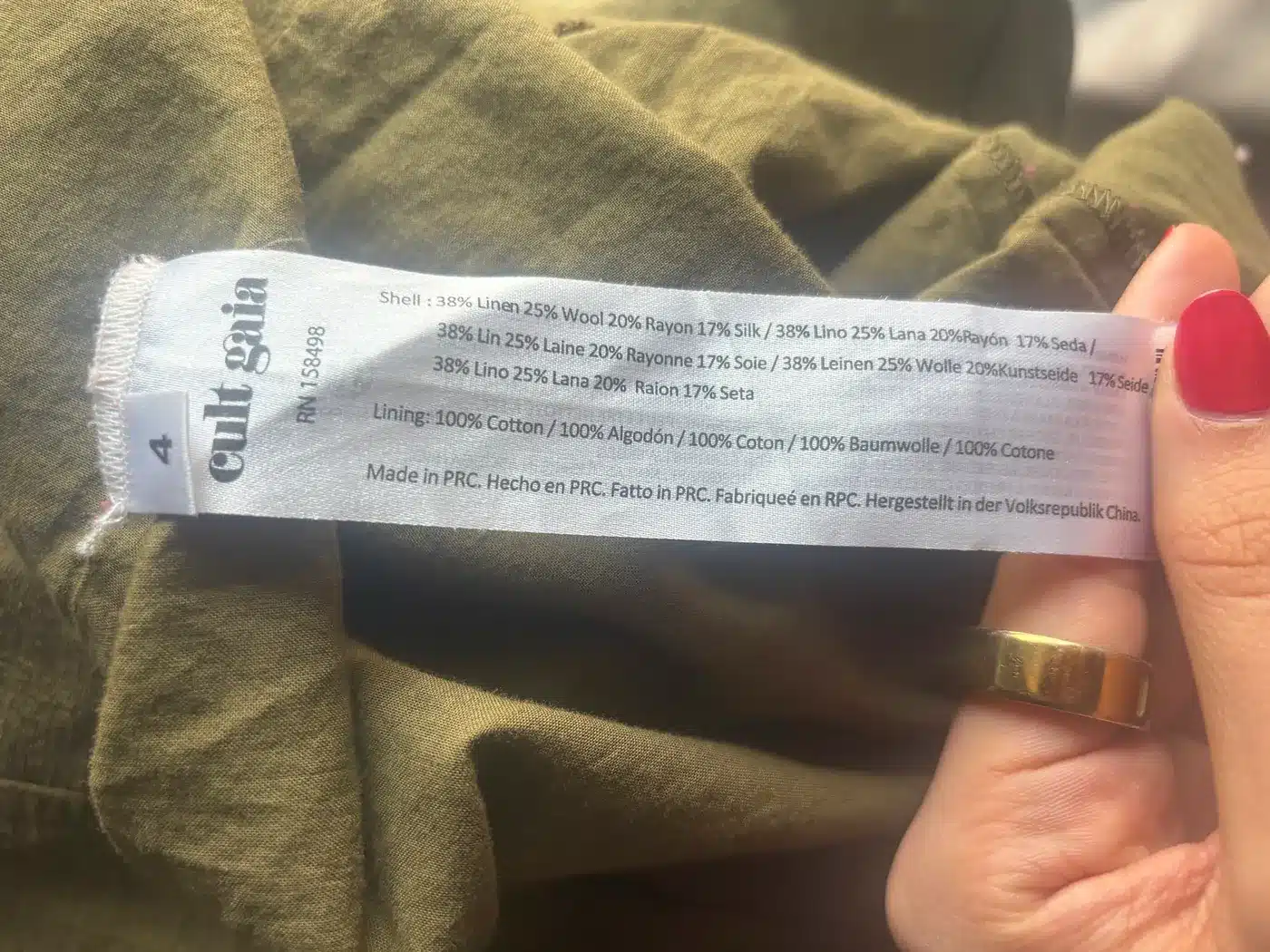
It’s one of the more interesting labels in my closet.
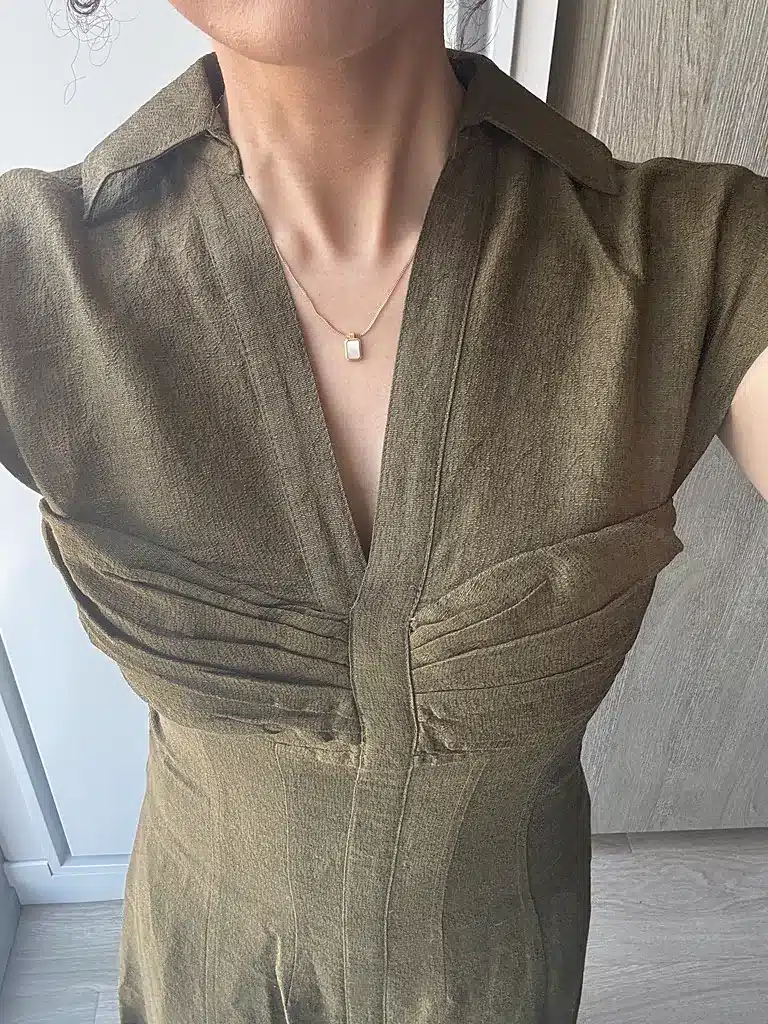
The construction is just as considered, too, with pleated bust panels, princess seams that curve into the waist and a topstitched placket.
Where Clothing Experts Disagree (and Where I Land)
This is the part most quality guides skip. But it’s the part I found most useful.
Does a Wider Seam Allowance Mean Better Quality?
Seam allowance is the strip of fabric between the stitching and the raw edge. Leconte sees a generous one as a quality signal, since it leaves room to alter the garment and makes the seam less likely to give way, and Banner agrees.
Fasanella, who makes production patterns for a living, doesn’t buy it. In her words, “we don’t use smaller allowances because we’re cheap… We use smaller allowances because they’re more accurate to sew.”
I’m with Fasanella on what a narrow allowance says about quality, which isn’t much. At 5’3, though, I alter almost everything, so a little extra fabric is a nice bonus for me. I just wouldn’t treat it as proof that a piece is well made.
Do French Seams Mean a Better Garment?
Banner ranks seam finishes, with French, flat-felled and bound seams at the top and a single serged seam at the bottom. Fasanella pushes back here too, writing that “the more complex a seam is, and the more handling steps it takes to form it, the more potential there is for it to be done poorly.”
I think they’re both right. A French seam sewn badly is worse than a plain seam sewn well, so I look at how neatly a seam is done before I get excited about what kind it is. The French seams on my Quince skirt are straight and flat, and that’s what counts.
Is Viscose Synthetic, and Is It Good Quality?
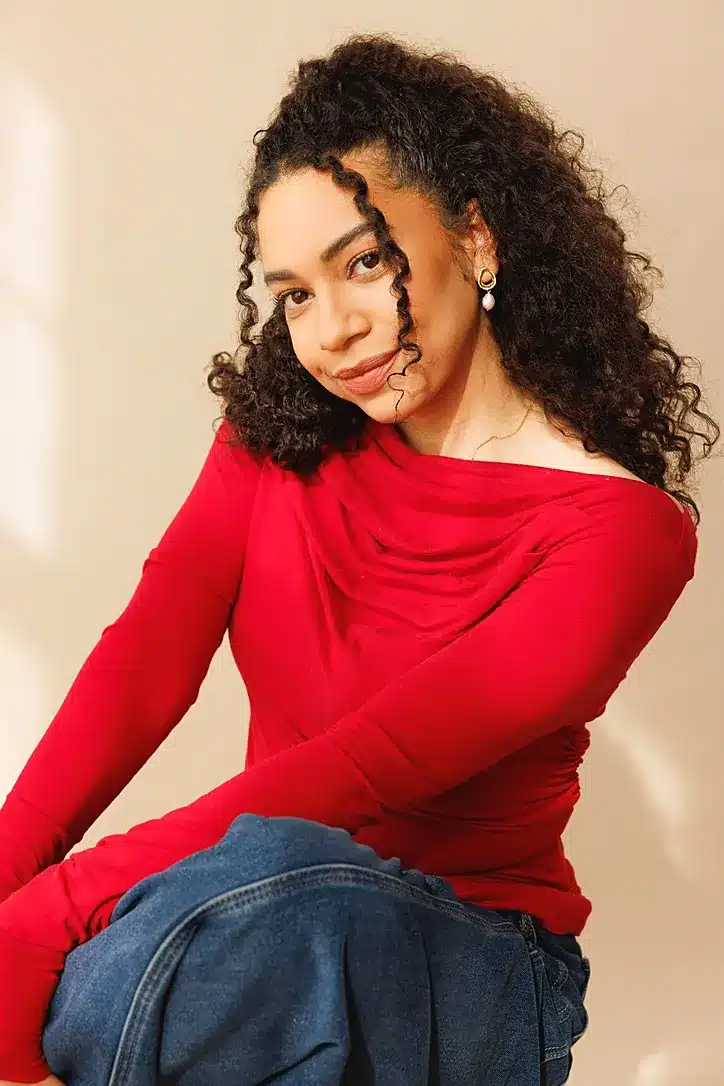
Banner lumps viscose in with polyester and acetate. Leconte puts viscose, modal and Tencel in a friendlier middle category because they breathe so well. On the fiber itself, I think Leconte has the stronger case, since viscose comes from plant cellulose rather than petroleum. Banner’s concern seems to be more about how it’s produced, which is fair, but it’s a separate argument.
My Marcella Cooper top ($90, 96% Tencel and 4% elastane) has me firmly in the middle-category camp. The way that cowl neckline falls is all thanks to the fabric.
Can You Really See Quality in Expensive Clothes?
Banner’s whole approach assumes a trained eye can read a garment. Guy isn’t so sure. In Can You Spot Bespoke?, he describes a bespoke tailor and a professional patternmaker, both with decades of experience, who couldn’t pick out high-end ready-to-wear. Machines can now copy a lot of the details that used to signal handwork.
After more than 100 rentals, my take is that the checks work well at the lower end of the market and get harder to rely on as prices climb. I can usually tell fast fashion from mid-range in a few seconds. Telling a good $300 piece from a great $900 one is a lot trickier.
The checks did catch one mid-range flaw for me, though. I’d seen the Reformation Romi dress online and went to try it on in store.
It’s 100% silk with a 100% viscose lining, and the lining made sense to me. Viscose isn’t a natural fiber, but it’s much more breathable than polyester and keeps the silk from clinging to the body. A luxury piece would likely have a matching silk or high-grade cupro lining, but at mid-range, I understand the choice.
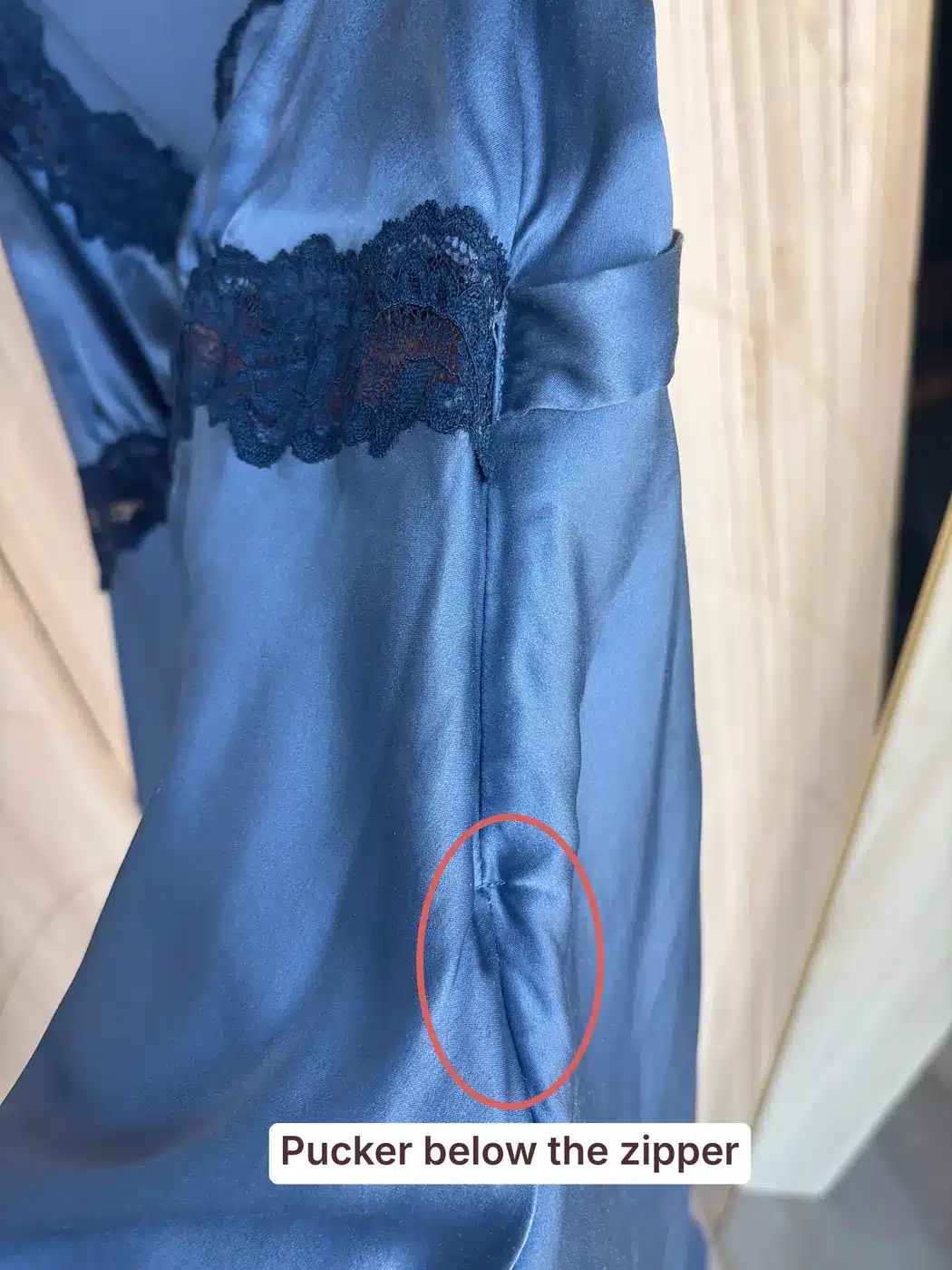
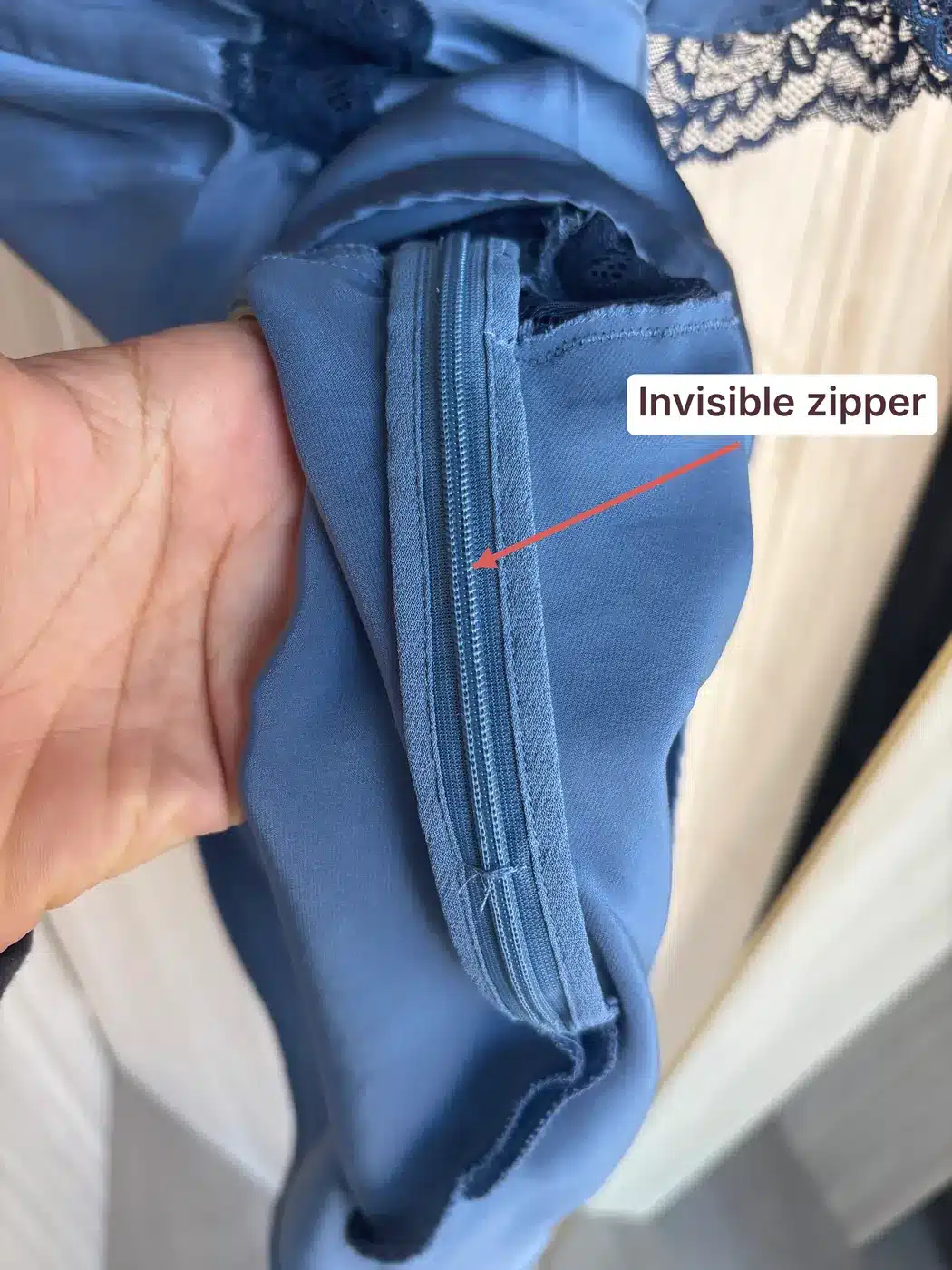
What I didn’t understand was the zipper. It puckers outward around the hip, leaving a small but noticeable bulge at the side.
It’s an invisible zipper, which Banner counts among the weakest kinds.
When I went back to look at the dress online, the model conveniently had her hand or a purse covering that exact spot in every photo, even the ones from behind.
For a dress that runs $278 before tax, I’d expect a smooth, bump-free zipper. I bought it anyway in August, and the bulge has only become more noticeable since. Consider this the report-back I promised in my natural fiber post.
What Good Quality Fabric Looks Like, Fiber by Fiber
How to Tell If Cashmere Is Good Quality
Go for a denser knit over the softest one on the rack, and look for a smooth, sleek surface. Holding it up to a window is a quick tell, since a thin knit lets a lot of light through. My full take on budget cashmere is in my Quince review.
What to Look for in Quality Wool

Virgin wool means new wool rather than fiber recycled from older garments. My Marcella coat is 100% virgin wool, and its viscose lining is what I’d hope to see at that level. Banner points out that scratchiness usually comes from coarser fibers, which are cheaper and perfectly fine for coats and trousers. I’d just keep them away from anything that sits against your skin.
How to Tell If Silk Is Good Quality
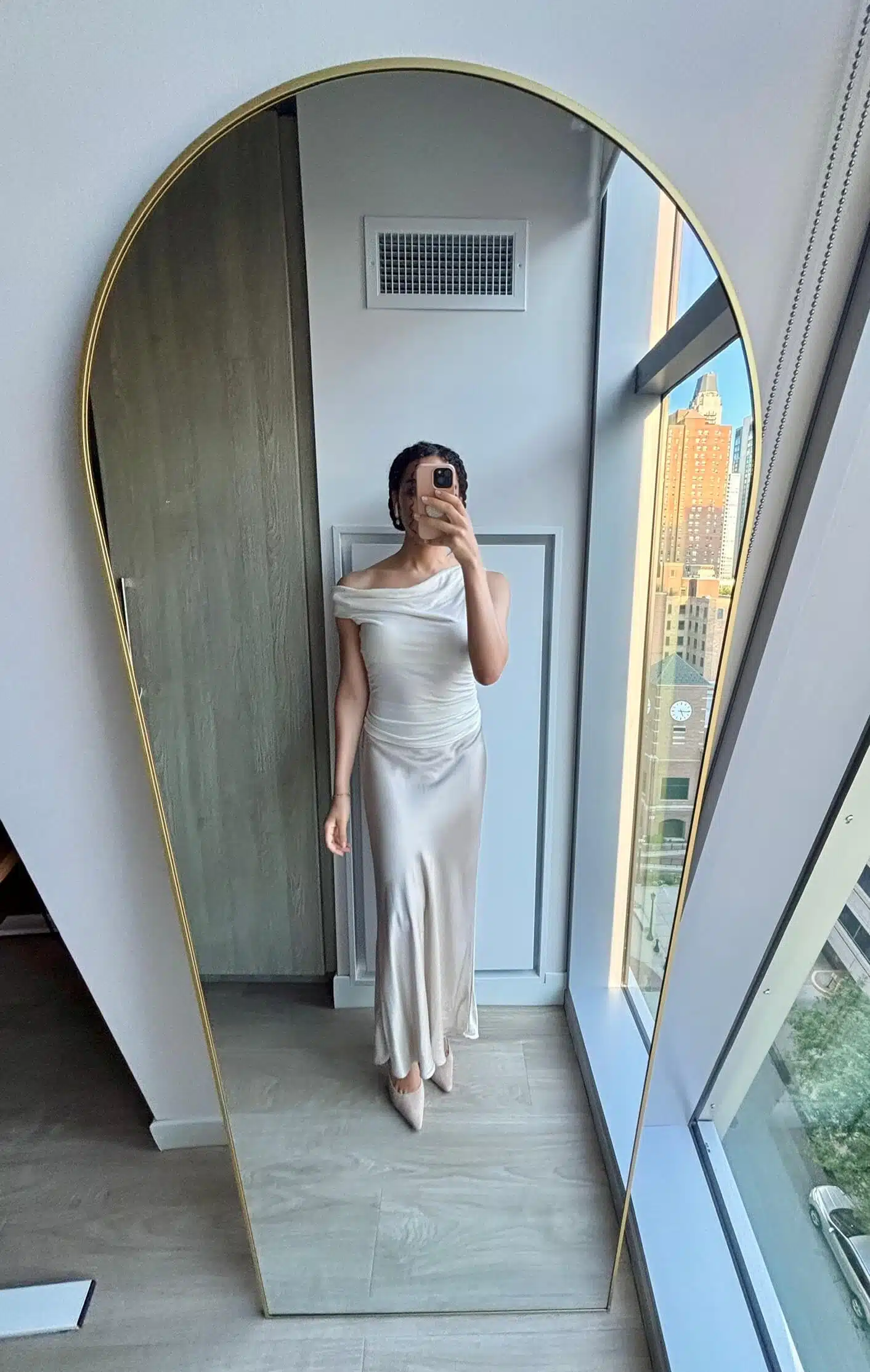
Look at the seams and the weight. My Quince silk skirt is 100% mulberry silk at 19 momme with French seams, and it’s machine washable.
Almost three years in, it’s held up well. The fabric still drapes beautifully, the elastic waistband is perfectly intact, and the few times I’ve spilled something on it, I’ve been able to get it out. I’m thankful it’s machine washable, unlike some of the more delicate dry-clean-only pieces on this site.
Quince’s washable silk pants are just as comfortable, but they wrinkle if you so much as look at them, so I steam them every time I wear them.
What Good Quality Linen Looks Like
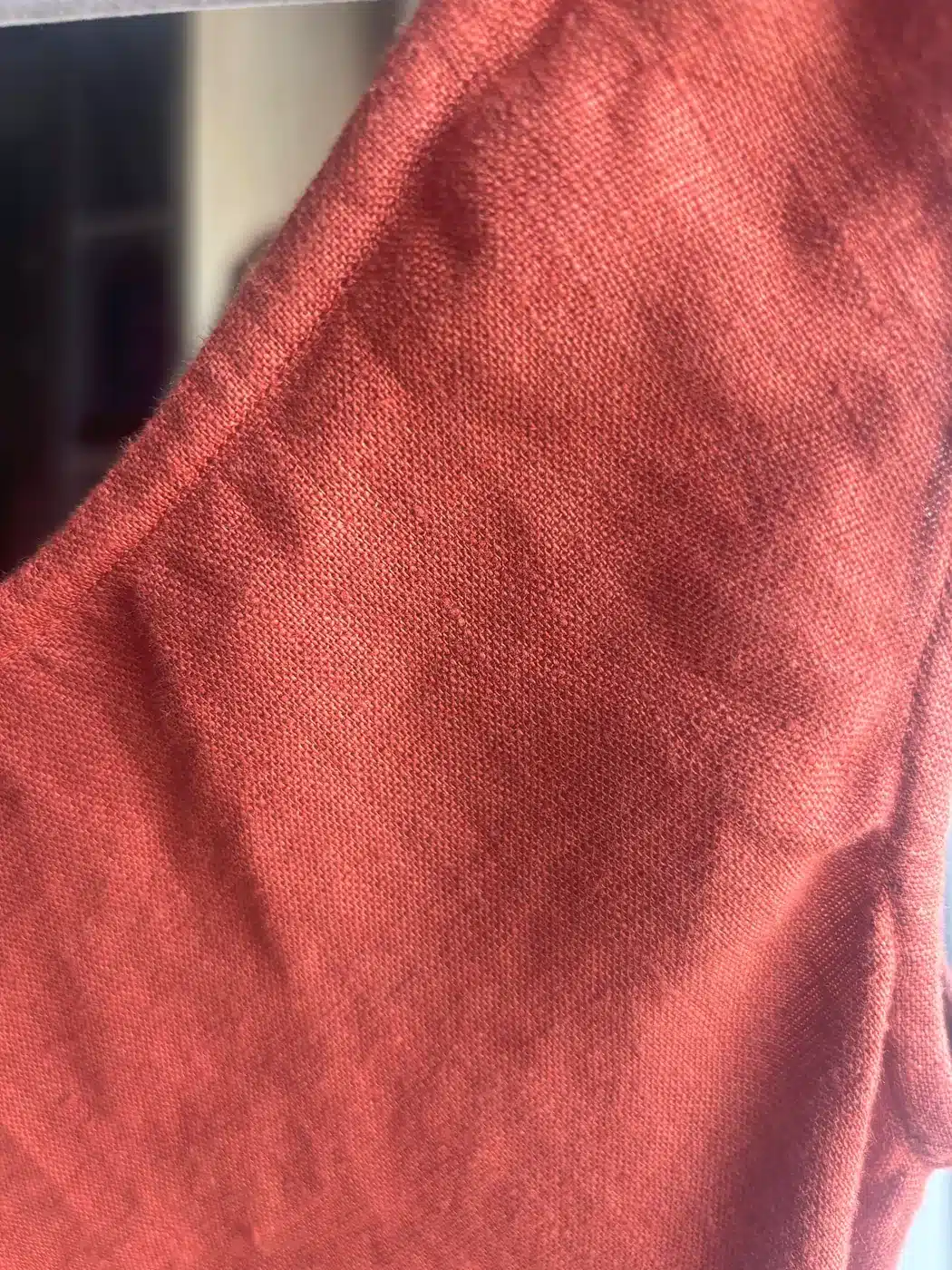
Good linen is fairly even, though a few slubs are part of its character (Banner notes they can be deliberate). My linen dress was handmade by Anna at LOVEOCEAN on Etsy for $250, in what she describes as OEKO-TEX certified, 100% European medium-weight linen.
It floats on the body so beautifully and has an elegant simplicity that makes it easy to slip into and style. It’s also made me want to lean more into handmade pieces like it.
Quality Cotton Knits and Blends
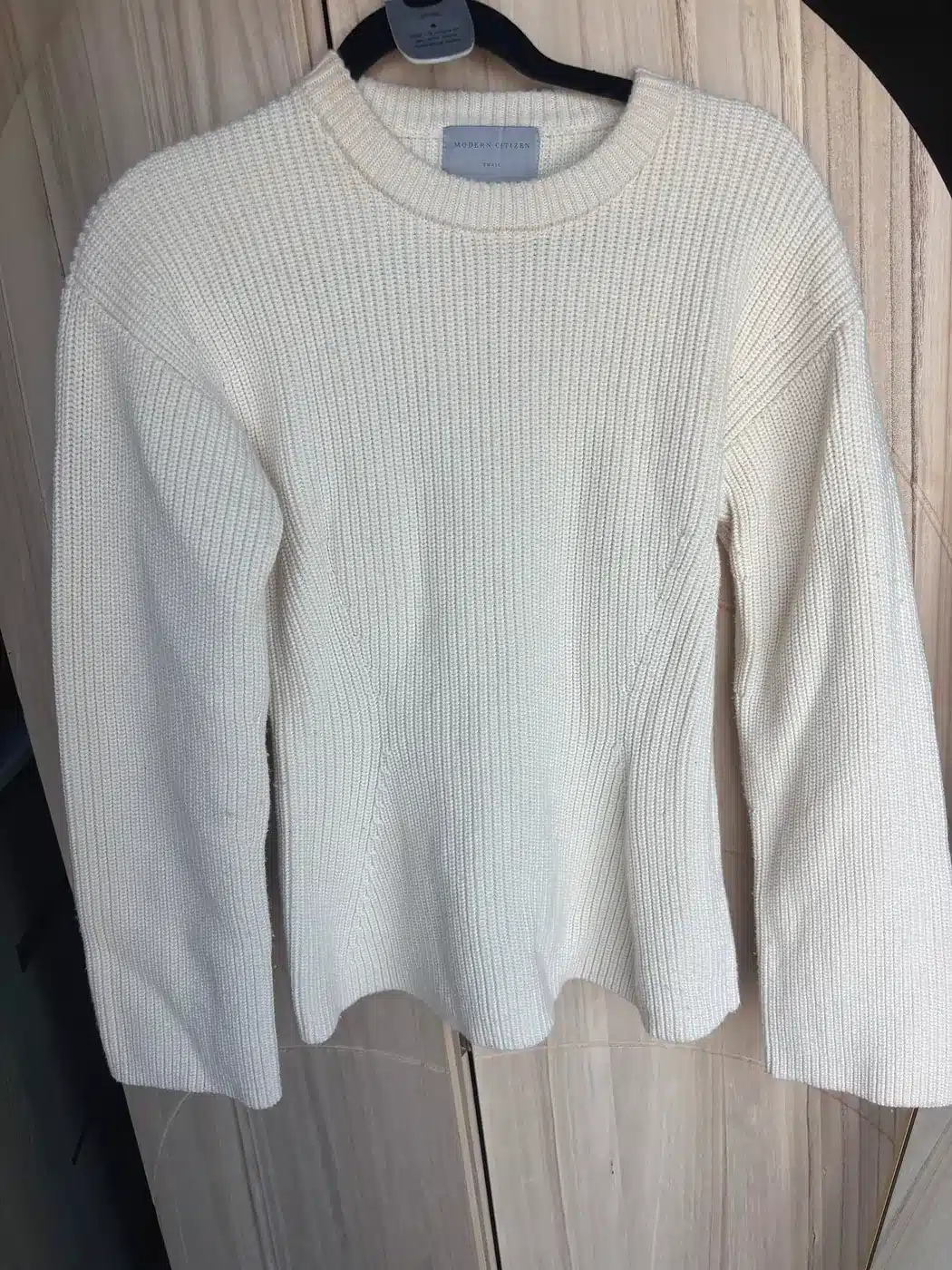
A good knit holds its shape. My Modern Citizen sweater is 50% organic cotton and 50% merino wool.
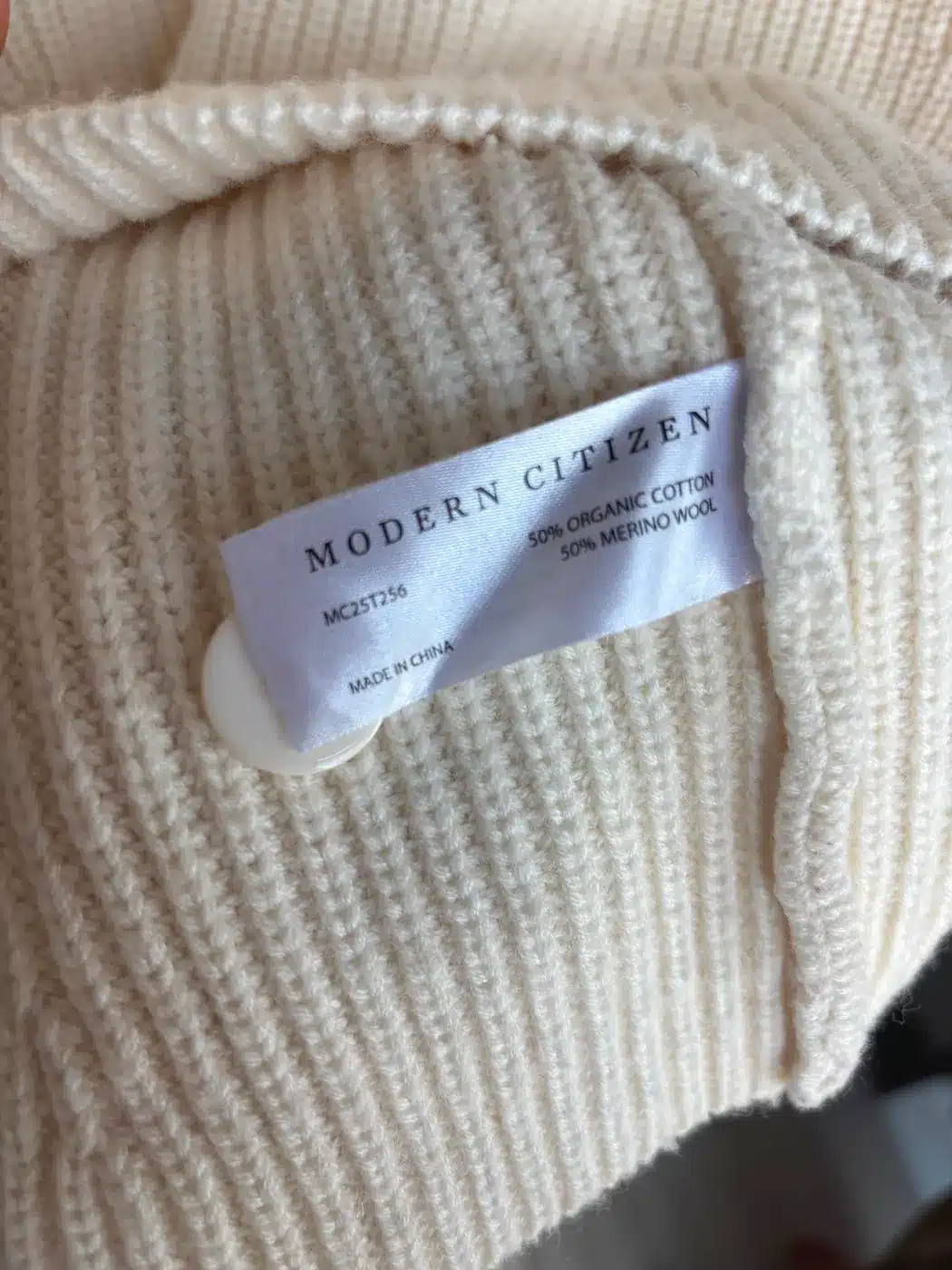
It’s knit in a dense rib, with shaped seams that give it structure.
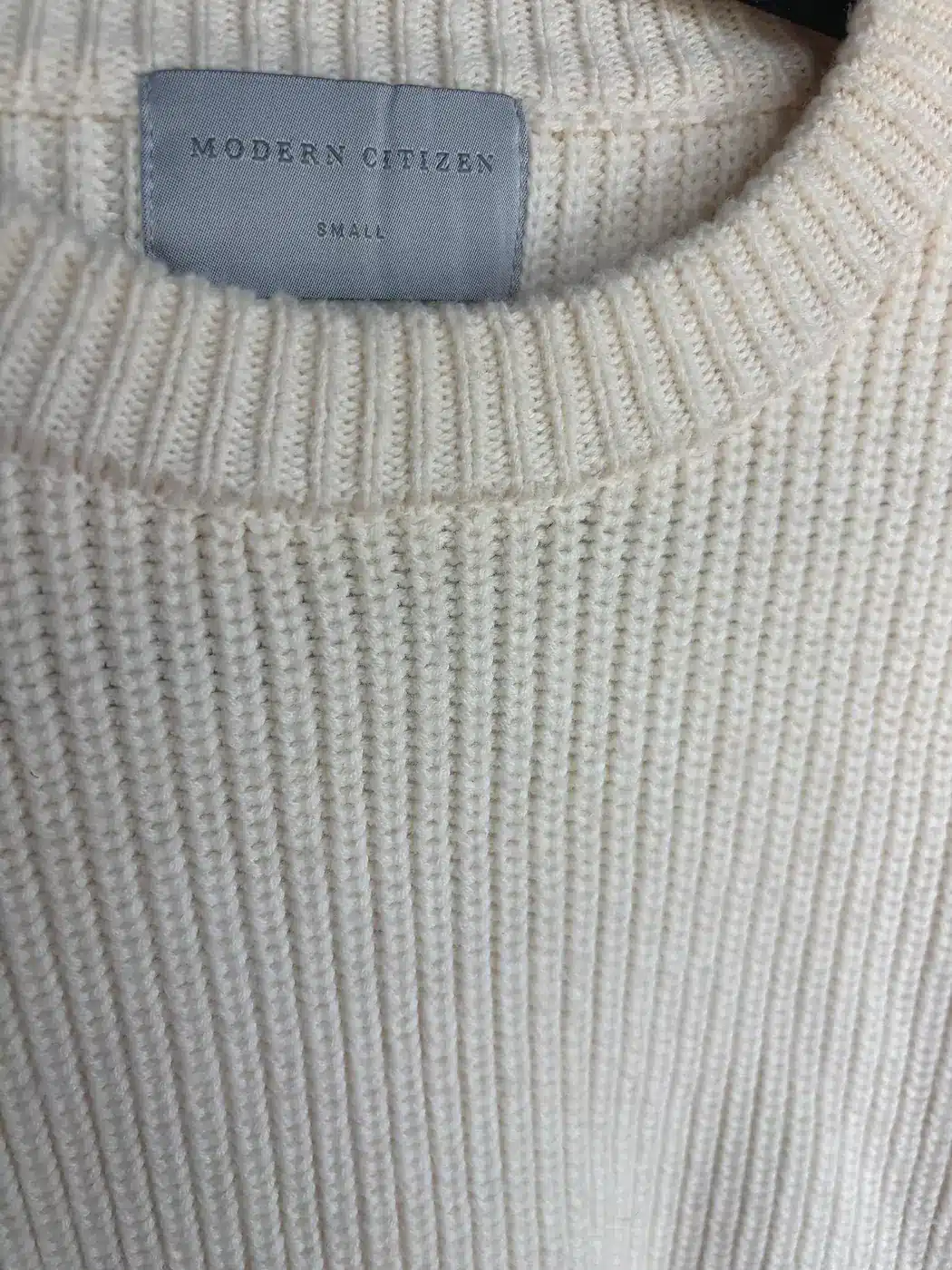
Hold it up to a window and barely any light comes through, which is a far cry from the thin cashmere boatneck I eventually gave away.